

7 Empowering Ways to Stay Active and Independent with Osteoporosis
7 Empowering Ways to Stay Active and Independent with Osteoporosis
Living with osteoporosis can often feel like a daunting challenge, but it doesn’t have to limit your zest for life. Staying active and maintaining independence are not just dreams; they are achievable goals with the right strategies in place. In this listicle, we’ll explore seven empowering ways to navigate the journey of osteoporosis while keeping your body moving and your spirit high. From tailored exercise routines to nutritional tips that support bone health, each item on our list is designed to equip you with practical tools and insights. Whether you’re looking to enhance your mobility, build strength, or simply embrace a more active lifestyle, you’ll discover actionable steps that can make a meaningful difference. Join us as we delve into these empowering approaches and reclaim your independence, one step at a time!
1) Embrace Weight-Bearing Exercises: Discover the power of weight-bearing activities like walking, dancing, or tai chi, which can strengthen bones and improve balance, helping you maintain independence
Engaging in weight-bearing activities is a fantastic way to fortify your bones and enhance your overall balance. These exercises encourage your body to work against gravity, which stimulates bone formation and helps prevent further loss. Consider incorporating the following activities into your routine:
- Walking: A simple yet effective form of exercise that can be done anywhere.
- Dancing: Not only a fun way to express yourself, but it also improves coordination and strength.
- Tai Chi: This gentle martial art focuses on slow movements and balance, promoting stability and reducing the risk of falls.
To maximize the benefits of weight-bearing exercises, aim for at least 30 minutes of activity most days of the week. Here’s a quick overview of how different activities can contribute to your bone health:
| Activity | Bone Strengthening Benefits |
|---|---|
| Walking | Improves bone density and cardiovascular health. |
| Dancing | Enhances balance, coordination, and flexibility. |
| Tai Chi | Increases stability and reduces fall risk. |
2) Prioritize Balance and Flexibility Training: Incorporate yoga or Pilates into your routine to enhance flexibility and core strength, reducing the risk of falls and fostering a greater sense of stability
Incorporating yoga or Pilates into your weekly routine can significantly enhance your flexibility and core strength, two essential components for maintaining balance and stability as you age. These low-impact exercises not only help to stretch and strengthen your muscles but also promote mindfulness and body awareness. Consider exploring different styles of yoga, such as Hatha or Yin, which focus on gentle movements and deep stretching. Similarly, Pilates emphasizes controlled movements and core engagement, making it an excellent choice for those looking to improve their posture and stability.
To get started, aim for at least two sessions of yoga or Pilates each week. Here are some key benefits that these practices offer:
- Improved Flexibility: Regular stretching helps maintain joint health and mobility.
- Enhanced Core Strength: A strong core supports your spine and reduces the risk of falls.
- Mind-Body Connection: Focused breathing and movement promote relaxation and reduce stress.
- Balance Training: Many poses require balance, helping to improve stability over time.
For those new to these practices, consider joining a class or following online tutorials to ensure proper form and technique. Below is a simple table highlighting some beginner-friendly poses that can be incorporated into your routine:
| Pose | Benefits |
|---|---|
| Tree Pose | Improves balance and concentration |
| Cat-Cow Stretch | Enhances spinal flexibility and relieves back tension |
| Child’s Pose | Promotes relaxation and stretches the back |
| Bridge Pose | Strengthens the core and opens the hips |
3) Invest in a Home Exercise Program: Create a personalized home workout plan that includes resistance training with bands or light weights, allowing you to build strength in the comfort of your own space
Creating a personalized home workout plan is an empowering way to take charge of your health, especially when managing osteoporosis. By incorporating resistance training with bands or light weights, you can effectively build strength without the need for a gym. Start by assessing your current fitness level and identifying specific goals, whether it’s improving balance, increasing muscle mass, or enhancing overall mobility. This tailored approach allows you to progress at your own pace while ensuring safety and comfort within your own space.
To help structure your home exercise program, consider including a variety of exercises that target different muscle groups. Here’s a simple table to guide you in selecting effective resistance training exercises:
| Exercise | Target Area | Equipment |
|---|---|---|
| Seated Row | Back | Resistance Bands |
| Leg Press | Legs | Light Weights |
| Bicep Curls | Arms | Light Weights |
| Side Lateral Raises | Shoulders | Resistance Bands |
Incorporating these exercises into a routine not only helps build strength but also boosts confidence and independence. Aim for at least two to three sessions per week, allowing for rest days in between to maximize recovery. Remember to listen to your body and adjust the intensity as needed, ensuring that your home workout remains a sustainable and enjoyable part of your lifestyle.
4) Join a Community Class: Look for local fitness classes specifically designed for individuals with osteoporosis, where you can connect with others and stay motivated in a supportive environment
Engaging in community classes tailored for individuals with osteoporosis not only enhances your physical health but also fosters a sense of belonging. These classes often emphasize low-impact exercises that are safe and effective, allowing you to build strength and improve balance in a supportive atmosphere. You’ll find a variety of options, including:
- Yoga for Bone Health: Gentle stretching and strengthening poses that focus on flexibility and stability.
- Aquatic Therapy: Water-based exercises that reduce stress on joints while providing resistance for muscle strengthening.
- Chair Exercises: Safe and effective movements designed for those with limited mobility, ensuring everyone can participate.
- Walking Groups: A social way to stay active, encouraging regular exercise while meeting new friends.
Joining these classes not only helps you stay active but also connects you with others who understand your journey. In a community setting, you can share experiences, swap tips, and celebrate achievements together. To help you find the right class, consider the following factors:
| Class Type | Benefits | Location |
|---|---|---|
| Yoga | Improves flexibility and reduces stress | Local community center |
| Aquatic Therapy | Low-impact resistance training | Nearby swimming pool |
| Chair Exercises | Safe for all mobility levels | Senior activity center |
| Walking Groups | Social interaction and cardiovascular health | Local park |
5) Stay Active Throughout the Day: Find small ways to stay active, such as taking the stairs, gardening, or even doing household chores, which can all contribute to your overall physical health
Incorporating movement into your daily routine doesn’t have to be a chore; it can be a fun and rewarding experience! Start by making small adjustments to your day-to-day activities. For instance, instead of taking the elevator, challenge yourself to take the stairs whenever possible. This not only strengthens your legs but also improves your heart health. If you have a garden, spend some time tending to your plants. Gardening is a fantastic way to engage your muscles and enjoy the outdoors, all while nurturing your green thumb. Even household chores can be a source of physical activity—vacuuming, dusting, or washing dishes can keep you moving and help maintain your independence.
To help you visualize how simple changes can add up, consider the following table that outlines various activities and their benefits:
| Activity | Benefits |
|---|---|
| Taking the Stairs | Strengthens legs, improves cardiovascular health |
| Gardening | Enhances flexibility, boosts mood |
| Household Chores | Burns calories, promotes mobility |
| Walking While Talking | Increases daily step count, fosters social interaction |
| Standing While Cooking | Engages core muscles, improves posture |
By identifying opportunities to stay active throughout the day, you can seamlessly integrate movement into your lifestyle. Every little bit counts, and by making these small changes, you not only improve your physical health but also empower yourself to maintain independence as you navigate life with osteoporosis.
6) Focus on Nutrition for Bone Health: Fuel your body with calcium-rich foods and vitamin D, which are essential for maintaining bone density and overall well-being, supporting your active lifestyle
To maintain strong bones and support your active lifestyle, it’s crucial to incorporate a variety of calcium-rich foods and vitamin D into your daily diet. These nutrients work synergistically to enhance bone density, helping to reduce the risk of fractures and improve overall well-being. Consider including the following foods in your meals:
- Dairy Products: Milk, yogurt, and cheese are excellent sources of calcium.
- Leafy Greens: Spinach, kale, and collard greens provide not only calcium but also essential vitamins.
- Fish: Fatty fish like salmon and sardines are rich in vitamin D and calcium.
- Nuts and Seeds: Almonds and chia seeds contribute to your calcium intake.
- Fortified Foods: Look for cereals and plant-based milk that are fortified with calcium and vitamin D.
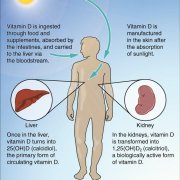
In addition to dietary sources, consider the importance of sunlight exposure for vitamin D synthesis. Aim for at least 15 minutes of sun exposure a few times a week, depending on your skin type and local climate. If you find it challenging to meet your nutritional needs through food alone, supplements can be a helpful addition. Here’s a simple table to guide your daily intake:
| Food Source | Calcium Content (mg) | Vitamin D Content (IU) |
|---|---|---|
| 1 cup Milk | 300 | 100 |
| 1 cup Yogurt | 400 | 50 |
| 3 oz Salmon | 180 | 570 |
| 1 oz Almonds | 76 | 0 |
7) Set Realistic Goals and Celebrate Progress: Establish achievable fitness goals that inspire you, and take the time to celebrate your milestones, no matter how small, to keep your motivation high and your spirit strong
Setting fitness goals that resonate with your personal aspirations is vital for maintaining motivation, especially when managing osteoporosis. Start by identifying specific, measurable, achievable, relevant, and time-bound (SMART) goals that inspire you. For instance, you might aim to walk a certain number of steps daily, increase your flexibility through yoga, or participate in a weekly strength training class. Here are some ideas to consider:
- Daily Step Count: Set a target that gradually increases over time.
- Exercise Frequency: Aim for a specific number of workouts each week.
- Flexibility Goals: Work towards mastering a new yoga pose each month.
- Strength Milestones: Track your progress in lifting weights or resistance exercises.
As you progress, it’s crucial to celebrate every achievement, no matter how small. Recognizing your milestones reinforces your commitment and boosts your morale. Consider creating a simple progress tracker to visualize your journey. Here’s a quick example of how you might structure your celebrations:
| Milestone | Celebration |
|---|---|
| First week of consistent exercise | Treat yourself to a new workout outfit |
| Increased daily steps by 500 | Enjoy a relaxing spa day |
| Mastered a new yoga pose | Share your success with friends or family |
Insights and Conclusions
As we conclude our exploration of the “7 Empowering Ways to Stay Active and Independent with Osteoporosis,” it’s clear that maintaining an active lifestyle is not only possible but essential for fostering strength and resilience. Each strategy we’ve discussed serves as a stepping stone toward a more vibrant, fulfilling life, regardless of the challenges osteoporosis may present.
Remember, every small step counts—whether it’s incorporating gentle exercises into your routine, seeking support from a community, or simply being mindful of your nutrition. Embracing these empowering practices can help you reclaim your independence and enhance your overall well-being.
So, take a moment to reflect on the strategies that resonate with you, and consider how you can integrate them into your daily life. Your journey toward staying active is uniquely yours, and with determination and the right tools, you can navigate the path ahead with confidence. Here’s to a healthier, more independent future!



Leave a Reply
Want to join the discussion?Feel free to contribute!