
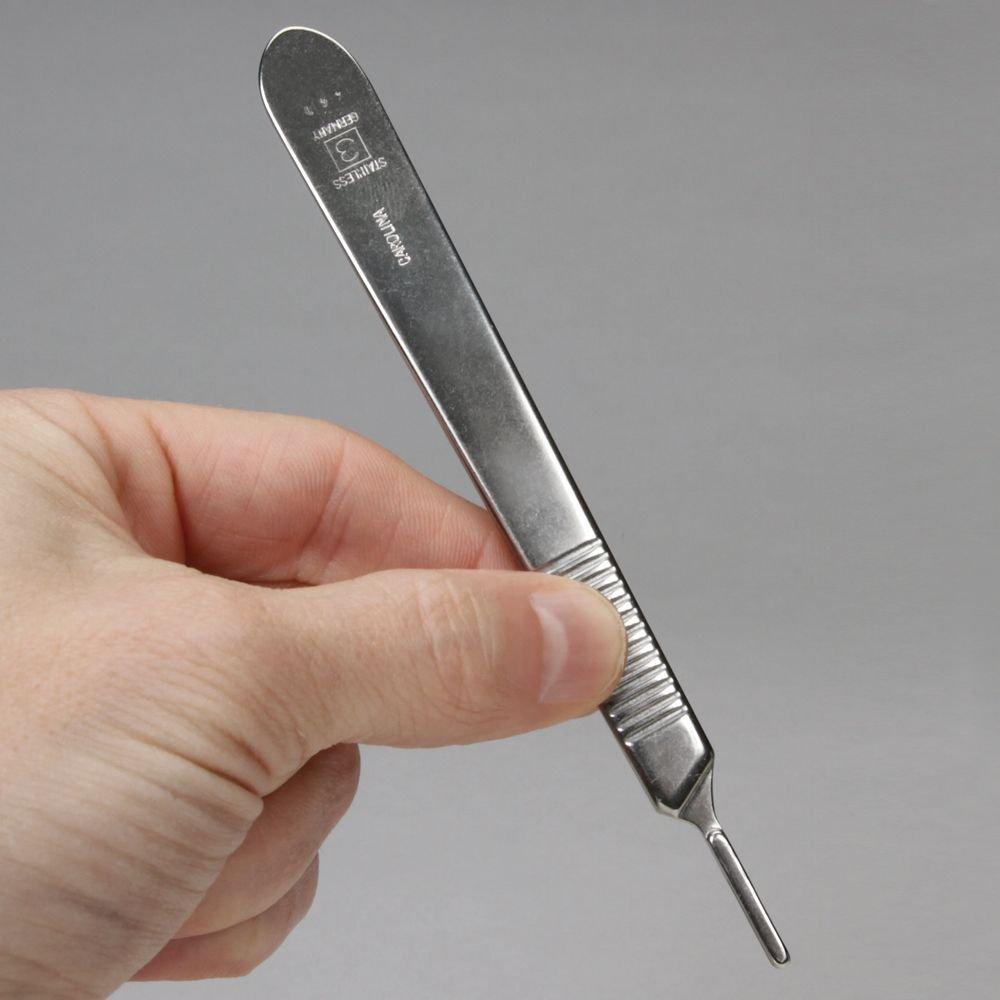
The Surgeon’s Scalpel: When is Surgery the Right Option for You?
Surgery is often seen as a last resort in the treatment of orthopedic conditions or injuries. However, in some cases, it can offer the best chance for a full and speedy recovery.
Deciding on Surgery
The decision of whether or not to have surgery is a complex one that should be made in consultation with your orthopedic surgeon. There are several factors to consider, including:
The severity of the condition or injury. Some conditions, such as a broken bone, may require surgery to ensure proper healing.
The effectiveness of non-surgical treatment. If non-surgical treatment, such as physical therapy or medication, has not been successful in resolving the condition or injury, surgery may be the next step.
Your personal preferences and goals. The decision of whether or not to have surgery is ultimately a personal one. Your surgeon will discuss the risks and benefits of the procedure with you and help you decide if it is the right option for you.
Types of Orthopedic Surgeries
There are many different types of orthopedic surgeries, including:
Arthroscopic surgery: This is a minimally invasive technique that uses a small camera and instruments to perform surgery through small incisions.
Open surgery: This is a more traditional surgical technique that involves making a larger incision to access the surgical site.
Joint replacement surgery: This type of surgery involves replacing a damaged or worn-out joint with an artificial joint.
Recovery from Surgery
The recovery time from orthopedic surgery varies depending on the type of surgery performed. In general, you can expect to experience some pain and discomfort after surgery. Your surgeon will prescribe medication to help manage the pain and will provide you with instructions on how to care for your incision and perform exercises to promote healing.
Preventing Orthopedic Conditions and Injuries
In addition to surgery, there are a number of things you can do to prevent orthopedic conditions and injuries, including:
Maintaining a healthy weight. Being overweight or obese puts stress on your joints and can increase your risk of developing arthritis.
Exercising regularly. Exercise helps to strengthen your muscles and bones, and it can also improve your flexibility and range of motion.
Wearing the right shoes. Wearing shoes that provide good support and cushioning can help to prevent foot pain and other problems.
Using proper lifting techniques. When lifting heavy objects, be sure to bend your knees and lift with your legs, not your back.
Additional Tips
If you are experiencing any orthopedic pain or discomfort, see your doctor right away. Early diagnosis and treatment can help to prevent the condition from getting worse.
If you have a family history of orthopedic conditions, talk to your doctor about what you can do to reduce your risk of developing them.
* Make healthy lifestyle choices, such as eating a healthy diet and exercising regularly, to help prevent orthopedic conditions and injuries.


